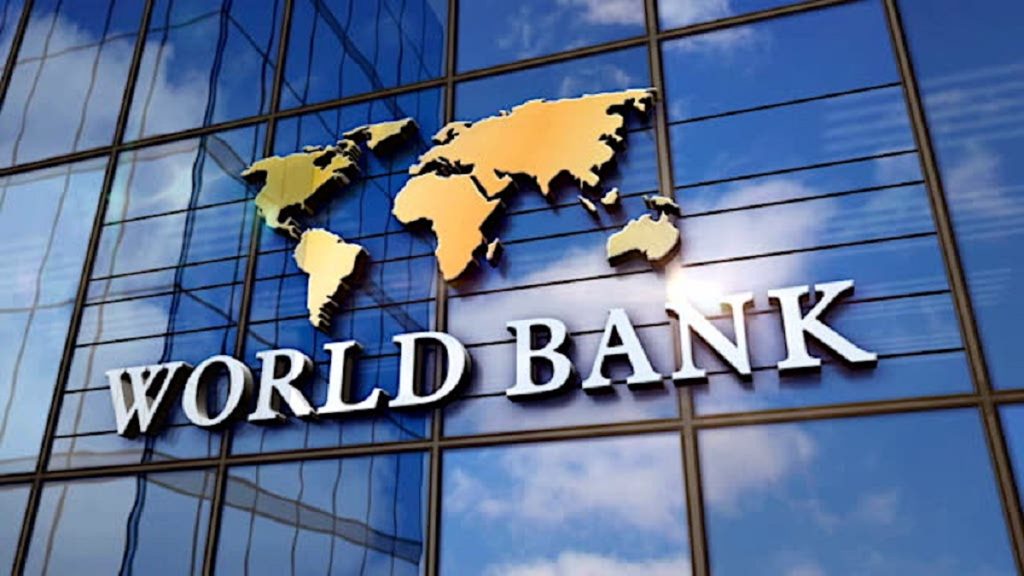
The Nigerian Upstream Petroleum Regulatory Commission (NUPRC) has entered into a partnership with the World Bank Group to strengthen Nigeria’s decarbonisation efforts in the upstream oil and gas industry.
The collaboration focuses on enhancing industry capacity in methane abatement and emissions management, forming part of ongoing initiatives to reduce greenhouse gas emissions across the sector.
The two organisations reaffirmed their commitment during a three-day Measurement, Monitoring, Reporting, and Verification (MMRV) Capacity Building Programme held in Abuja, with over 70 participants, including representatives of the Nigerian National Petroleum Company Limited (NNPCL), international oil companies, and indigenous operators.
According to a statement from the Commission, the workshop aimed to strengthen Nigeria’s technical and regulatory capacity for effective emissions monitoring and management within the upstream sector.
Speaking on behalf of the Commission Chief Executive, Engr. Enorense Amadasu, Executive Commissioner for Development and Production, noted that methane emissions constitute a significant portion of Nigeria’s greenhouse gas output, largely from flaring, venting, and fugitive sources.
Closing the session, the Director of Energy Sustainability and Carbon Management, Engr. Joseph Ogunsola, reaffirmed the NUPRC’s commitment to aligning Nigeria’s petroleum operations with global standards on emissions management and carbon monetisation.
“The Commission is building robust systems to ensure operators adopt credible and verifiable emissions data reporting in line with international climate accountability frameworks,” Ogunsola said.
He added that the partnership with the World Bank and other multilateral institutions marks a major milestone in positioning Nigeria’s oil and gas industry as a competitive player in the global energy transition landscape.